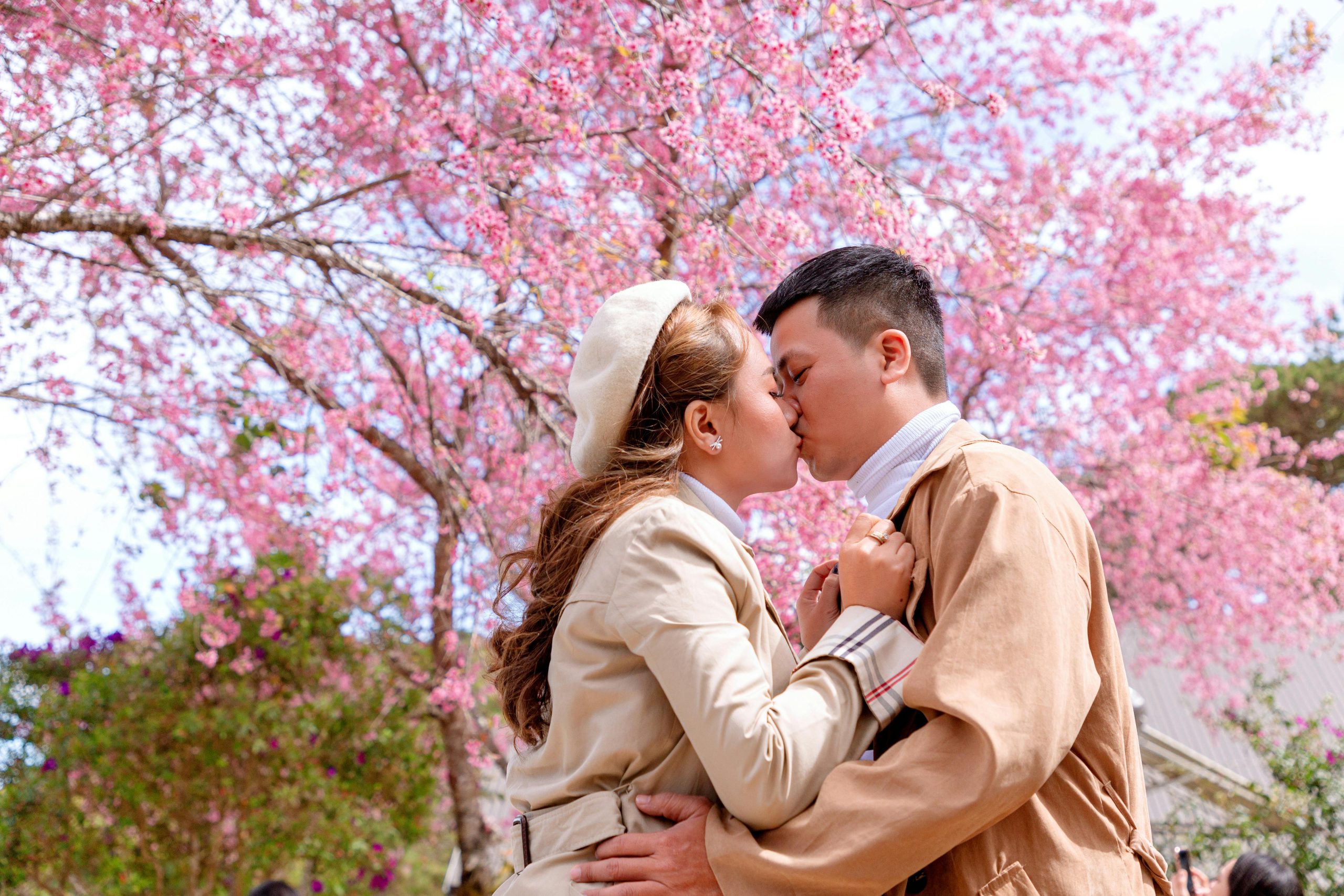
A common myth about romantic relationships is that happy couples want to spend every possible moment together. In reality, healthy partnerships require a balance between closeness and personal space. Everyone needs alone time to recharge, pursue individual hobbies, reflect, and maintain their own identity. When one partner craves space and the other feels rejected, conflict and insecurity follow. When space is denied entirely, people feel trapped, resentful, and suffocated. Learning to navigate alone time — setting boundaries, respecting each other’s needs, and managing emotions around separation — is essential for long-term relationship happiness. This article explains how to create a healthy balance of togetherness and solitude for both partners.
First, understand why alone time is not rejection. Many people interpret their partner’s desire for space as “they don’t love me anymore” or “they’re tired of me.” This is a harmful misunderstanding. Introverts need alone time to recharge their energy after social interaction, even social interaction with someone they love. Extroverts also need individual time to pursue personal passions, connect with friends, or simply decompress from daily stress. Wanting space is about self-care and personal identity, not lack of love. If you feel insecure when your partner needs alone time, pause and reframe your thoughts. Their need for solitude is a normal human requirement, not a judgment on your relationship.
Second, communicate your need for space clearly and kindly. Asking for alone time poorly can hurt feelings. Avoid phrases like “I need to get away from you” or “I’m tired of hanging out.” Frame your request around your own needs, not their behavior. Use gentle, reassuring language: “I’ve had a really busy week, and I need a little quiet time to recharge this evening. I still love spending time with you, and I’ll catch up with you later.” Reassurance is key. When you ask for space, explicitly state that your feelings haven’t changed. This eliminates unnecessary insecurity. Also, be specific about the timeline: “I’d like a couple of hours alone tonight” instead of vague “I need some space.” Clarity prevents confusion.
Third, respect your partner’s need for space without guilt-tripping. If your partner asks for alone time, honor it fully. Don’t pout, send multiple texts checking in, or make them feel guilty for wanting solitude. Guilt-tripping (“You never want to spend time with me”) forces them to choose between their own well-being and your feelings, which builds resentment. Trust that they will return to you recharged and present. Use their alone time to focus on your own hobbies, friends, or self-care instead of fixating on their absence. When both people respect each other’s space, the relationship feels free and secure, not restrictive.
Fourth, define clear boundaries around alone time and personal hobbies. Every couple has different space needs. Some people need a few hours every day alone; others only need a full day once a week. Have an open conversation about your individual needs. Discuss questions like: How much alone time do you each need weekly? Do you need space at home (separate rooms) or time outside the house? Are certain hobbies strictly individual time? Setting clear expectations upfront prevents misunderstandings later. For example, agree that Sunday afternoons are individual time for hobbies, no questions asked. Boundaries around space create structure and comfort.
Fifth, avoid using alone time to escape relationship problems. There’s a difference between healthy solitude and avoidance. If you’re constantly asking for space to skip arguments, avoid tough conversations, or disconnect from your partner emotionally, that’s a red flag. Alone time should recharge you so you can show up for the relationship, not run from it. If you notice you’re using space to avoid issues, address the underlying conflict first. Healthy space complements a relationship; avoidance destroys it.
Sixth, stay connected even during separate time. Space doesn’t mean complete disconnection. A short sweet text midday, a quick voice note, or a small gesture (like leaving a snack for them) keeps the bond alive without intruding on their solitude. You don’t need constant contact, but small check-ins reinforce that you’re still thinking of each other. This is especially helpful for partners who feel insecure with separation. Small, low-effort connection balances space and closeness.
Seventh, maintain your individual identity outside the relationship. The biggest benefit of healthy alone time is preserving who you are as an individual. When couples merge completely and abandon their hobbies, friends, goals, and interests, the relationship becomes stagnant. Two whole, independent people create a stronger bond than two people who rely entirely on each other for fulfillment. Pursue your own passions, keep your own friendships, and nurture your personal goals. Your unique identity makes you more interesting and attractive to your partner, and it gives you a richer life to share together. Balance is the heart of this topic. Too much togetherness leads to suffocation; too much space leads to emotional distance. Healthy relationships let two people love each other deeply while still being fully themselves. Communicate openly, respect boundaries, reframe insecurity, and use space for growth, not escape. When you master the art of alone time, your relationship will feel free, secure, and endlessly fulfilling.